Introduction: Debunking Root Canal Myths
If your dentist has mentioned the possibility of a root canal, you're not alone in feeling anxious. Root canal treatment has a notorious reputation, often portrayed in media as one of the most painful procedures a person can experience. The reality, however, is dramatically different. Modern endodontic treatment is a safe, effective, and—most importantly—painless way to save a tooth that might otherwise be lost.
The confusion around root canals stems largely from outdated information and misinformation. Decades ago, before modern anesthetic techniques and rotary instruments were developed, root canal treatment could indeed be uncomfortable. But today's procedures use advanced technology, refined techniques, and superior pain management strategies that make the experience comparable to getting a filling.
The irony is that people often fear the treatment itself far more than the condition that necessitates it. An infected or inflamed tooth pulp causes real, often severe pain—pain that root canal treatment is designed to eliminate permanently. Understanding the warning signs that indicate you might need a root canal is the first step toward addressing the problem before it becomes a crisis.
Understanding Root Canal Treatment: What You Need to Know
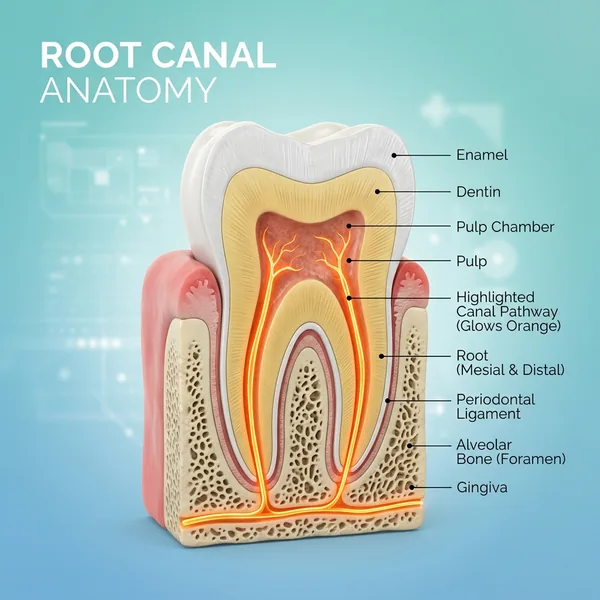
Before we dive into the five warning signs, it helps to understand what a root canal actually is. The term "root canal" can refer to two things: the natural cavity within the center of your tooth, and the procedure performed to treat problems inside that cavity. Every tooth has a root canal system containing the pulp—a collection of blood vessels and nerves that give the tooth life and sensation.
When the pulp becomes infected or inflamed due to decay, trauma, repeated dental procedures, faulty crowns, or cracks and chips, it can cause significant pain and lead to an abscess (a pocket of pus at the tooth's root) if left untreated. Root canal therapy removes the diseased pulp, cleans and disinfects the inside of the tooth, and then fills and seals the space to prevent future infection.
Sign 1: Persistent, Severe Toothache Pain
One of the most common and obvious signs that you may need a root canal is a persistent toothache. However, not all toothaches indicate the need for a root canal, so it's important to understand the different types of pain and when to be concerned.
A root canal-related toothache is typically characterized by severe, constant pain that doesn't resolve on its own. This pain often intensifies when you chew or apply pressure to the tooth. Unlike a simple cavity, which might cause localized discomfort only when exposed to hot or cold stimuli, pulp-related pain persists even when nothing is touching the tooth. Some patients describe it as a dull, throbbing ache; others report sharp, shooting pains that radiate up into the jaw or down into the neck.
The pain may be constant or come and go in waves, especially at night when you're lying down. Many patients find that over-the-counter pain relievers provide only temporary relief or no relief at all. The tooth may feel tender when tapped or touched, and the pain might worsen when lying down because of the increased blood flow to the head and the pressure change in the pulp chamber.
What's important to understand is that this pain is your body's warning system. The pulp is inflamed or infected, and your nerve endings are sending pain signals to indicate that something is wrong. The longer you wait to seek treatment, the worse the infection can become, potentially leading to systemic complications that affect your overall health.
When to See Your Dentist
If you experience a persistent toothache lasting more than a few days, especially if it wakes you at night or doesn't respond to over-the-counter pain medication, schedule a dental appointment immediately. Don't wait for the pain to go away on its own—pulp problems don't resolve without treatment.
Sign 2: Prolonged Sensitivity to Hot and Cold
Many people experience occasional tooth sensitivity to hot or cold foods and drinks. This is usually not serious and might indicate gum recession or minor enamel erosion. However, there's an important distinction: sensitivity that lingers long after the stimulus has been removed is a potential sign of root canal need.
If you drink a cup of coffee and experience sensitivity that persists for several minutes or even hours after you've finished the drink, this extended sensitivity reaction suggests inflammation of the pulp. Similarly, if you have a sip of cold water and the sensitivity doesn't immediately go away when the cold source is removed, your pulp may be in trouble.
This type of lingering sensitivity occurs because the inflamed pulp tissue has become hypersensitive to temperature changes. As the inflammation worsens, the sensitivity often increases, and the time it takes for the pain to subside lengthens. The tooth might feel supersensitive to chewing as well, even to gentle pressure.
It's worth noting that early in pulp inflammation, you might notice increased sensitivity but little or no pain. This is actually a blessing—it gives you an opportunity to seek treatment before the condition advances to the point where severe pain develops. Catching the problem at this stage often results in a faster, easier treatment.
Some patients also report that the tooth feels "high" when biting down—as if it's touching before other teeth do. This can be another indicator of pulp inflammation, as the tissues inside the tooth swell slightly and change the tooth's position.
Sign 3: Swelling or Tenderness in the Gums and Jaw
External signs of root canal necessity often appear before you even realize there's a problem inside the tooth. Swelling and tenderness in the gums near a specific tooth, or even in the cheek or jaw area near that tooth, can indicate an infection that has progressed beyond the pulp chamber to the tissues surrounding the tooth's root.
This swelling occurs as your body's immune system attempts to fight off the infection. You might notice the gum is red, tender to the touch, or even slightly raised compared to the surrounding tissue. Some patients develop a small pimple-like bump on the gum near the root of the affected tooth—this is called a fistula or abscess drainage point. If you see or feel such a bump, don't try to pop it; instead, see your dentist right away.
The swelling might extend beyond the immediate gum area. You could experience a subtle puffiness in your cheek, a mild jaw swelling, or even swollen lymph nodes under your chin or neck. These systemic signs indicate that the infection is serious enough that your body's immune response is actively engaged. In severe cases, you might feel generally unwell, notice a slight fever, or experience difficulty opening your mouth fully.
It's important not to ignore these signs. While your body's immune response is working to contain the infection, an untreated tooth abscess can lead to serious complications if the infection spreads. In rare cases, it can lead to systemic infections or spread to surrounding bone. Seeking prompt treatment prevents these complications and preserves your tooth and overall health.
Sign 4: Darkening or Discoloration of the Tooth
Another visible sign that might indicate a need for root canal treatment is a noticeable change in the color of the affected tooth. The tooth might appear darker, more gray, or even slightly black compared to adjacent teeth. This discoloration is often an internal process and is one of the most easily overlooked warning signs because patients assume it's merely a cosmetic issue.
The darkening occurs due to deterioration of the internal pulp tissue. As the pulp dies (either from infection or trauma), blood products break down and stain the inner structures of the tooth. These staining molecules can gradually seep through the microscopic pores in the dentin (the layer beneath the enamel), causing visible discoloration. Unlike external staining from coffee, tea, or tobacco, this internal discoloration cannot be removed by brushing, flossing, or professional whitening.
A tooth that becomes discolored without any obvious external cause—such as a recent cavity, filling, or trauma—warrants professional evaluation. Sometimes discoloration is the only symptom, especially in cases where the pulp damage is from old trauma that the patient may have forgotten about. A tooth might have suffered injury years ago in an accident, seem to recover normally, but the pulp gradually dies over time, resulting in progressive discoloration.
It's worth understanding that discolored teeth are usually not an emergency, but they do require prompt evaluation. Once a tooth requires root canal treatment, waiting can allow the problem to worsen. Even if the tooth doesn't hurt now, it may in the future. Additionally, treating it proactively prevents the need for tooth extraction down the line.
Sign 5: Pain When Chewing or Touching the Tooth
Pain that occurs specifically when you chew, bite down, or touch the affected tooth is often a strong indicator of pulp or root problems. This type of pain, called occlusal pain, occurs because the inflamed or infected tissues inside and around the tooth are sensitive to pressure and movement.
When you bite or chew, the forces applied to the tooth increase the internal pressure in the pulp chamber. If the pulp is inflamed or infected, this pressure change causes pain. The pain might be sharp and immediate, or it might be a duller ache that emerges while eating and persists for a while after. Some patients find that the pain is worst with sticky foods, hard foods, or foods that require significant chewing.
The tooth might also be sensitive to being touched with a toothbrush, a fork, or even your fingernail. Some patients avoid that side of the mouth entirely, unconsciously chewing only on the other side. While this might provide temporary relief, it doesn't address the underlying problem and can lead to uneven wear on other teeth.
Occlusal pain can also be one of the earliest signs of root canal necessity. You might notice it before experiencing any of the other symptoms we've discussed. Conversely, you might notice this pain after other symptoms have already developed. The key is that any pain associated with chewing or pressure on a tooth deserves professional attention.
Sometimes occlusal pain is due to a loose or failing filling, which can be easily addressed without root canal treatment. However, if the pain persists after the filling is replaced or if the tooth is otherwise healthy, root canal therapy might be necessary. A professional examination and possibly X-rays are needed to determine the actual cause and appropriate treatment.
Why Modern Root Canals Are Nothing to Fear
Now that we've covered the warning signs, let's address the elephant in the room: the fear surrounding root canal procedures. The "root canal horror story" has become deeply embedded in popular culture, but this reputation is outdated and inaccurate. Here's why you can be confident about modern root canal treatment:
Advanced Anesthesia: Today's local anesthetics are extremely effective. Your dentist will thoroughly numb the tooth and surrounding area before beginning any treatment. You'll feel pressure and vibration, but no pain. If you feel any discomfort at all, your dentist can immediately administer more anesthetic. Many patients say the procedure is no more uncomfortable than getting a filling.
Rotary Instrumentation: Modern endodontic treatment uses sophisticated rotary instruments powered by electric motors. These instruments are far gentler, faster, and more precise than the hand-operated files used decades ago. Treatment that once took multiple visits can now often be completed in a single appointment. The refined, smooth action of these instruments minimizes trauma to the tooth.
Advanced Imaging: Digital imaging and even CBCT (cone beam computed tomography) scans allow dentists to see exactly what they're working with before they begin. This precision means less time in your mouth, more accurate treatment, and better outcomes. Your dentist knows the exact anatomy of your tooth's canals before making a single cut.
Rubber Dam Isolation: Endodontists use a rubber dam—a thin sheet of rubber that isolates the tooth from saliva and prevents debris from going down your throat. This makes the procedure safer, cleaner, and more comfortable, while also preventing you from accidentally swallowing instruments or solutions.
Shorter Appointment Times: With modern techniques, many root canal treatments are completed in 30-45 minutes. The procedure that used to take several hours is now often done efficiently without extended mouth opening or discomfort.
What Happens During a Root Canal: Step-by-Step
Understanding what actually happens during a root canal can completely remove any anxiety. Here is a clear, step-by-step breakdown of how the procedure is performed today:
Step 1: Accessing the Pulp Chamber
After administering local anesthetic to ensure complete numbness, a protective rubber dam is placed to keep the tooth dry and sterile. A precise, small opening is made in the crown of the tooth to access the inflamed or infected pulp inside.
Step 2: Cleaning and Shaping the Canals
Using flexible, gentle rotary endodontic instruments, the diseased pulp tissue is carefully removed from the pulp chamber and root canals. The pathways are cleaned, shaped, and thoroughly disinfected with clinical solutions.
Step 3: Sealing the Tooth
Once dry and sterile, the canals are filled using gutta-percha (a biocompatible rubber-like material) and sealed tightly with a clinical adhesive cement to prevent any future bacterial intrusion.
Step 4: Placing the Custom Crown
A temporary or permanent tooth-colored filling seals the access hole. To restore full chewing strength and protect the tooth from fractures, a premium, natural-looking ceramic crown is custom-fitted over the treated tooth.
Recovery and What to Expect After Treatment
One of the reasons people are sometimes disappointed when they don't experience pain relief immediately after root canal therapy is misunderstanding the recovery process. It's important to know what to expect in the days and weeks following treatment.
Immediately After Treatment: The local anesthetic will wear off within a few hours. You might feel some tenderness in the tooth and jaw area, which is completely normal. The tooth might feel slightly sore, similar to the soreness you feel after a dental cleaning. Over-the-counter pain relievers like ibuprofen can address this mild discomfort. Most patients are able to return to normal activities immediately after treatment.
First Few Days: The tooth may feel tender or slightly elevated when biting for a few days. This tenderness should gradually diminish. Some slight swelling in the gums is also normal and typically resolves within a few days. Continue avoiding chewing on that side until the tooth is permanently restored with a crown.
Long-Term Recovery: Most patients experience dramatic pain relief within 24 hours of treatment. The infection is eliminated, and the inflamed tissues begin to heal. Within one to two weeks, any residual tenderness should be completely resolved. The healing process continues for months, with bone around the tooth's root gradually filling in and strengthening.
It's important to follow your dentist's post-treatment instructions carefully. Avoid chewing hard foods on the treated tooth, maintain excellent oral hygiene, and keep your follow-up appointments for crown placement. Proper care after root canal treatment dramatically increases the success rate and longevity of the treatment.
When to See Your Dentist: Don't Wait
If you're experiencing any of the five warning signs we've discussed, the time to seek treatment is now. Many patients delay dental visits out of fear or because they hope the problem will resolve on its own. Unfortunately, pulp problems never heal without intervention—they can only worsen.
Scheduling an appointment with your dentist as soon as you notice warning signs offers several advantages. First, early treatment is often simpler and faster. A tooth with early pulp inflammation might require less extensive treatment than a tooth with a full pulp death and systemic infection. Second, early treatment prevents complications. An untreated tooth abscess can rarely spread to neighboring structures or, in severe cases, cause systemic infections. Finally, early intervention saves your tooth. Untreated pulp problems eventually require tooth extraction, and while modern tooth replacements are excellent, nothing is as good as your natural tooth.
At Krishna Multispeciality Dental Clinic in Gudivada, our experienced endodontists are equipped with the latest technology and use modern techniques to make root canal treatment comfortable and effective. We understand your concerns and will take the time to explain your treatment and answer all your questions. Many of our patients are amazed at how painless and quick the procedure is compared to what they feared.