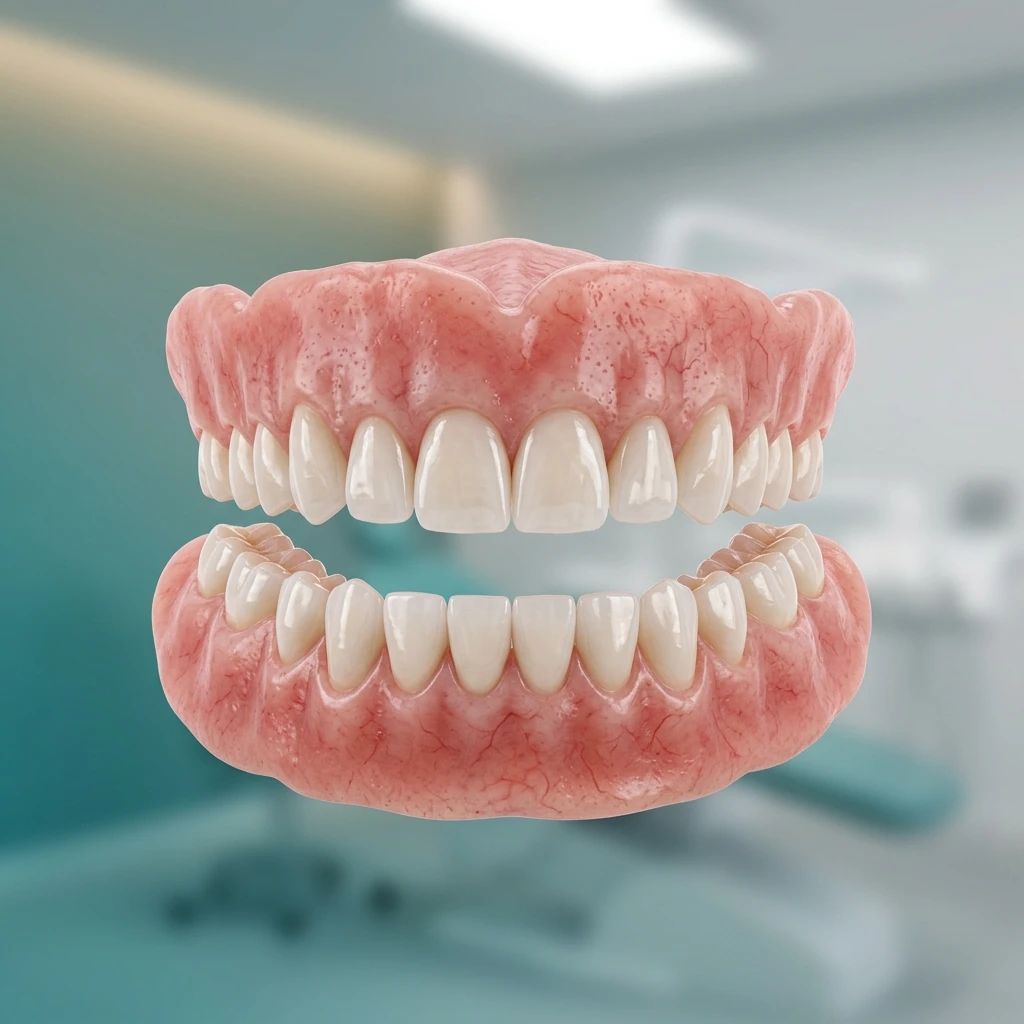
Not Your Grandparents' Dentures: How Denture Technology Has Changed
Ask someone who wore dentures thirty years ago, and they'll tell you about limitations: difficulty eating certain foods, visible clasps or metal, slipping and sliding when speaking, and a "plastic" appearance that screamed artificial. Those days are largely behind us. Modern dentures in 2026, as available at Krishna Dental in Gudivada, are dramatically different — more natural-looking, more comfortable, and far more functional.
The evolution of dentures has been remarkable. Today's dentures use advanced materials that mimic real teeth and gum tissue with stunning accuracy. Base materials are tooth-colored and translucent, creating a natural gum appearance rather than the obvious pink plastic of old designs. Artificial teeth are custom-shaded to match the exact color of your natural teeth, and they're shaped to reflect light the way real teeth do.
Beyond materials, the fitting process has become far more precise. Digital scanning and 3D printing have replaced many of the manual steps, meaning dentures fit better from day one. For patients in Krishna district and across Andhra Pradesh, this means less adjustment time and quicker adaptation to wearing dentures. And then there's the innovation that has truly revolutionized dentures: implant support. More on that later.
Types of Dentures: Which One Is Right for You?
Dentures aren't one-size-fits-all. At Krishna Dental, we offer several types tailored to your specific needs and budget.
Complete (Full) Dentures
A complete denture replaces all teeth in the upper jaw, lower jaw, or both. They rest on the gums and rely on suction and the natural ridge of your jaw for stability.
Advantages: Affordable, relatively quick to make, covers large tooth loss
Disadvantages: Requires adjustment period, can shift while eating or speaking, some gum tissue resorption over time
Cost in Gudivada: Rs. 8,000 to Rs. 20,000 per arch
Partial Dentures
A partial denture replaces some missing teeth while leaving natural teeth intact. It has clasps that attach to your remaining teeth for stability.
Advantages: Preserves natural tooth structure, more stable than full dentures, natural appearance
Disadvantages: Clasp can be visible, requires healthy remaining teeth, clasps can place stress on supporting teeth
Cost in Gudivada: Rs. 6,000 to Rs. 15,000
Flexible Dentures
Made from flexible thermoplastic materials (like nylon) instead of acrylic, these dentures are more pliable and comfortable. They're less likely to break and have an extremely natural appearance because clasps can be tooth-colored.
Advantages: Highly comfortable, flexible clasps blend in naturally, durable, lightweight
Disadvantages: More expensive, harder to adjust or repair, not suitable for very heavy bone loss
Cost in Gudivada: Rs. 15,000 to Rs. 35,000
Implant-Supported Dentures (Snap-On Dentures)
These are the game-changer. Dental implants are surgically placed in your jaw, and the denture snaps onto them for exceptional stability. This is the closest experience to having real teeth.
Advantages: Maximum stability (no slipping or clicking), feels and functions like real teeth, prevents bone loss, can eat almost any food, most comfortable long-term option
Disadvantages: Most expensive, requires surgery, needs healthy jawbone or bone grafting, longer treatment timeline (4-6 months)
Cost in Gudivada: Rs. 80,000 to Rs. 3,00,000+ (includes implants and denture)
Pro tip: If you're missing all your teeth and can afford it, implant-supported dentures offer the best long-term value. Your quality of life improvement justifies the cost for many patients.
Materials: What Modern Dentures Are Actually Made Of
The materials used in modern dentures have transformed the look and feel compared to decades past. Understanding what your denture is made of helps you care for it properly and have realistic expectations.
| Material | Advantages | Disadvantages |
|---|---|---|
| Acrylic Resin | Affordable, easy to adjust, natural appearance, good color options | Can break if dropped, can stain, may cause slight odor, porous (can harbor bacteria) |
| Thermoplastic Nylon | Flexible, extremely durable, lightweight, very natural appearance, hypoallergenic | Expensive, difficult to repair, cannot be adjusted as easily |
| Chrome Cobalt | Extremely strong, thin design possible, excellent biocompatibility, superior aesthetics | Most expensive, requires skilled fabrication, limited adjustability |
| Reinforced Acrylic | More durable than standard acrylic, affordable, better appearance than basic acrylic | Still prone to breakage under stress, not as flexible as nylon |
For artificial teeth, modern dentures use either acrylic or porcelain. Acrylic is lighter, warmer, and more natural-looking. Porcelain is more stain-resistant and durable but heavier and can look overly glossy if not expertly matched.
The Denture Fitting Process: From Consultation to Wearing
Getting dentures isn't a same-day process. At Krishna Dental in Gudivada, we follow a careful procedure to ensure your dentures fit properly and feel comfortable from the start.
- Initial consultation: We assess your oral health, take photographs, and discuss your expectations and budget.
- Impressions: We take detailed impressions of your jaw using digital scanning or traditional molds. This data is used to create a custom denture base.
- Bite registration: We record your bite relationship (how your upper and lower teeth should meet) to ensure proper alignment.
- Try-in appointment: Before the final denture is made, you try in the denture base with temporary teeth. We check the fit, bite, and appearance, making adjustments as needed.
- Final fabrication: Based on feedback from the try-in, the denture is finalized with permanent materials.
- Delivery and fitting: You receive your new dentures. We fit them, check the bite, and teach you how to insert, remove, and care for them.
- Adjustments: We schedule follow-up appointments to make minor adjustments as your mouth adjusts to the denture.
The entire process typically takes 3-4 weeks. With advanced digital imaging available at our clinic in Gudivada, we can complete the process efficiently without sacrificing precision.
Adjusting to New Dentures: What to Expect in the First Month
Wearing dentures for the first time is an adjustment. Your mouth is used to having natural teeth (or no teeth with a different feel), and dentures require an adaptation period. Here's what to realistically expect:
Eating with Dentures
The first week, eat soft foods: yogurt, soup, eggs, mashed potatoes, soft bread. Avoid sticky foods (toffee, caramel), hard foods (nuts, raw carrots), and very hot foods that might loosen the denture. Chew slowly and use both sides of your mouth equally to prevent the denture from tilting.
By week two, you can gradually introduce more textured foods. By month two, most people can eat most foods — the main exception being very sticky or extremely hard items. Implant-supported dentures allow even wider food choices because they don't slip.
Speaking with Dentures
Your dentures might affect how you sound initially — some patients have a slight lisp or slur. This resolves within days or a few weeks as your tongue learns to work with the denture. Practice speaking by reading aloud or having conversations. Your mouth naturally adapts.
Comfort and Fit
Your denture should feel snug but not tight. Minor sore spots are normal in the first week — call us and we'll adjust them. After the first week, soreness should be minimal. If significant pain persists, you may need additional adjustments. Swelling of your gums occurs as they adjust to the denture; this gradually settles over weeks.
Bone Loss and Adjustments Over Time
Your jawbone naturally shrinks over months and years without the stimulation of tooth roots. This means your denture fit will gradually loosen. Plan for adjustments annually and consider relines (refitting the denture base) every 1-2 years. Implant-supported dentures reduce this bone loss significantly.
Care and Maintenance: Keep Your Dentures Looking New
Dentures aren't maintenance-free, but caring for them is straightforward. At Krishna Dental, we recommend:
- Daily cleaning: Remove and rinse your denture after meals. Brush them gently with a soft-bristled brush and denture cleaner (never use toothpaste, which is too abrasive). Soak them overnight in a denture solution.
- Handle with care: Hold them over a sink with a towel underneath — if dropped in water, they won't break as easily. Never expose them to very hot water (it warps acrylic).
- Leave them out at night: Your gums need a break from the denture pressure. Sleep without them when possible to preserve gum and bone health.
- Regular check-ups: Visit Krishna Dental every 6 months to ensure your denture fits properly and your mouth health is good. We'll catch any issues early.
- Professional cleaning: Once yearly, have us professionally clean and polish your denture to remove stains and tartar buildup.
- Store properly: When not wearing, keep dentures in a clean, moist environment (denture solution or plain water). Never let them dry out, as they can warp.
Common Denture Myths — Debunked
Myth: "Dentures are obvious — everyone will know I'm wearing them." Modern dentures look remarkably natural. With proper shade matching and custom shaping at Krishna Dental, most people won't notice. Implant-supported dentures are virtually indistinguishable from natural teeth.
Myth: "I can't eat anything once I get dentures." While you'll need to modify how you eat certain foods, denture-wearers eat most foods fine. Implant-supported dentures expand this range significantly.
Myth: "Dentures don't need care — just pop them in." Dentures require daily cleaning and care just like natural teeth. Proper maintenance extends their life and keeps your mouth healthy.
Myth: "Dentures are cheaper than implants, so they're the better choice." Cost matters, but consider long-term value. Implants preserve bone, last 15-20+ years, and improve quality of life dramatically for many people. Dentures work perfectly for others who prefer non-surgical solutions.
When to Consider Implant-Supported Dentures Instead
Implant-supported dentures aren't right for everyone, but they're the ideal choice if you:
- Have missing all teeth (or most teeth) and want the maximum stability
- Have experienced significant bone loss and conventional dentures don't fit well
- Value comfort and functionality over cost
- Enjoy a social life where confidence in your smile matters
- Have healthy enough jawbone (or are willing to have bone grafting)
- Can commit to the 4-6 month treatment timeline
- Want a long-term solution that lasts 15-20+ years
The best part? You don't have to choose between regular dentures and implant-supported ones immediately. Many patients start with conventional dentures and upgrade to implant-supported dentures later when financially feasible.
Cost of Dentures in Gudivada and Andhra Pradesh
Pricing varies based on the type and quality of denture, but here's what you can expect in Krishna district:
- Basic complete acrylic denture: Rs. 8,000–15,000
- Premium acrylic denture: Rs. 15,000–25,000
- Flexible denture: Rs. 15,000–35,000
- Implant-supported denture: Rs. 80,000–3,00,000+ (includes 2-6 implants)
At Krishna Multispeciality Dental Clinic, we offer flexible payment plans to make dentures accessible. Many insurance plans partially cover dentures — ask us about your coverage.
Honest Expectations: Life with Dentures
Let's be frank: dentures are excellent replacements for missing teeth, but they're not identical to natural teeth. You'll notice differences initially, but most people adapt within weeks to months. The adjustment period is temporary; the benefits are long-lasting.
Conventional dentures will require occasional adjustments as your jaw changes. You may experience a slight lisp initially. You'll need to take them out and clean them daily. Some foods will require modified chewing technique. But millions of people worldwide live happily with dentures, eating well, speaking clearly, and smiling confidently.
The key is having realistic expectations and choosing the right type of denture for your situation. Our team at Krishna Dental in Gudivada is here to guide you through that choice and ensure your denture experience is successful.