Introduction: The "Every 6 Months" Rule — Is It One-Size-Fits-All?
For generations, dental professionals have recommended that patients visit the dentist every six months for a check-up and cleaning. This advice has become so universal that many people never question it. They schedule their appointments twice yearly like clockwork, assuming this is the optimal frequency for everyone. But the truth is more nuanced.
The "every 6 months" recommendation isn't a one-size-fits-all rule—it's a general guideline for people with good oral health and minimal risk factors. Depending on your individual situation, you might need more frequent visits, or conversely, you might be fine with annual check-ups. Understanding how to determine the right frequency for your specific needs is an important part of taking control of your oral health.
The reality is that dental visit frequency should be personalized, based on factors like your overall health, oral hygiene habits, genetic predisposition to dental disease, and any existing conditions that affect your teeth and gums. This guide will help you understand how to determine the right frequency for you.
Why Regular Dental Visits Matter: Prevention and Early Detection
Before we discuss how often you should visit, it's worth understanding why regular dental visits are important in the first place. Many people view dental visits as something to do only when something hurts. This reactive approach is far more costly and painful than a preventive approach.
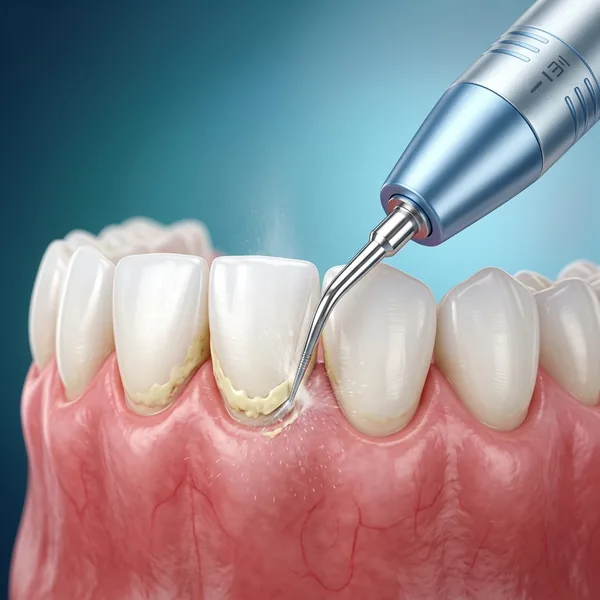
Regular dental visits serve two critical purposes: prevention and early detection. During a routine visit, your dentist removes plaque and tartar buildup that home brushing and flossing cannot remove. This professional cleaning prevents gum disease and tooth decay. Additionally, your dentist examines your mouth carefully, often catching problems in their earliest stages when treatment is simpler, less costly, and less invasive.
Consider a small cavity. When caught early, it requires a simple filling that takes 15-20 minutes and is minimally invasive. Ignored for years, that same cavity can progress to require a root canal and crown—a process that takes multiple visits and costs significantly more. Early detection saves money, time, and teeth.
Beyond your mouth, regular dental visits serve your whole-body health. Your dentist can spot signs of systemic conditions like diabetes, heart disease, or autoimmune disorders that manifest first in your mouth. Some studies suggest that maintaining good oral health may even reduce your risk of certain diseases. In essence, regular dental visits are an investment in both your oral health and your overall wellbeing.
General Recommendation: Twice a Year for Most People
For the majority of people with good oral health, reasonable oral hygiene habits, and no major risk factors, the recommendation of two visits per year (approximately every 6 months) remains appropriate. This frequency allows for professional cleaning and examination twice yearly, which is effective for maintaining health and catching problems early.
The logic behind this timing is based on the natural progression of dental disease. Plaque and tartar buildup occurs gradually. Even with diligent home care, some buildup accumulates in areas that are difficult to access. Left for longer than six months, this buildup can begin to cause problems. Two visits yearly keeps the accumulation in check before it becomes problematic.
For someone without significant risk factors—someone with good gum health, no history of cavities, excellent oral hygiene, and no systemic health conditions affecting oral health—twice-yearly visits are generally sufficient for maintaining optimal health and preventing disease.
Who May Need More Frequent Visits
While twice yearly may be sufficient for some, others benefit from more frequent professional care. If you fall into any of these categories, ask your dentist about a customized visit schedule that might involve more frequent appointments.
Gum Disease or Periodontal Disease
If you have or have had gum disease (gingivitis or periodontitis), you'll typically need visits every 3-4 months. Gum disease requires more frequent professional cleanings below the gumline and careful monitoring to prevent progression and tooth loss. Proper management of gum disease is one of the most important things you can do for your long-term oral health.
Diabetes
People with diabetes are at significantly higher risk for gum disease and tooth decay. High blood sugar affects the immune system's ability to fight infection, including oral infections. If you have diabetes, especially if it's not perfectly controlled, schedule visits every 3-4 months. Regular professional cleanings and close monitoring help prevent serious complications.
Smoking or Tobacco Use
Smokers have dramatically increased risk for gum disease, tooth decay, and oral cancer. If you smoke, schedule visits every 3-4 months. Regular visits allow your dentist to monitor your oral health closely and catch any problems early. Additionally, your dentist can provide guidance on quitting smoking and its benefits for your oral and overall health.
Weak Immune System
People with compromised immune systems—whether from HIV, cancer treatment, autoimmune conditions, or other causes—are more susceptible to oral infections. If your immune function is compromised, more frequent visits every 3-4 months help prevent and catch infections early.
History of Cavities or Decay
If you have a history of cavities or tooth decay, this suggests you're susceptible to decay. Visit every 3-4 months so your dentist can monitor for new cavities early. Your dentist may also recommend fluoride treatments or other preventive measures.
Pregnancy
Pregnancy hormones increase the risk of gum inflammation and disease. Additionally, dental health during pregnancy affects fetal health. If you're pregnant, schedule a visit in the first trimester and again in the third trimester. Your dentist can take appropriate precautions and provide evidence-based care that's safe during pregnancy.
Children and Teenagers
Young people should visit every 6 months for dental cleaning and examination. However, some children with high decay risk may benefit from more frequent visits. Additionally, as teeth develop and erupt, regular monitoring ensures proper development. Teenagers with braces often benefit from more frequent visits to monitor gum health around orthodontic appliances.
Recent Dental Work
If you've recently undergone major dental treatment like implant surgery, crown or bridge placement, or root canal therapy, you may need more frequent visits during the healing and integration period. After healing is complete, you can return to a normal schedule, though specific follow-up timing depends on the type of work done.
What Happens During a Routine Check-Up
Understanding what actually happens during a dental visit can help you make the most of your appointment and understand why professional care is important.
Your Routine Dental Visit Includes:
- Examination: Your dentist carefully examines all your teeth for cavities, chips, or other damage. They examine your gums for signs of disease, color, and texture. Soft tissues in your mouth are examined for abnormalities.
- Radiographs (X-rays): Periodic X-rays detect cavities between teeth where they're not visible, assess bone levels, and identify other problems beneath the tooth surface. Frequency depends on your risk and the imaging technology used.
- Professional Cleaning (Prophylaxis): Your dental hygienist uses specialized instruments to remove plaque and tartar (calculus) that home brushing cannot remove. This cleaning is especially important below the gumline where disease-causing bacteria hide.
- Gum Evaluation: Your dentist measures gum pocket depth and evaluates overall gum health. Changes in pocket depth can indicate disease progression or improvement.
- Oral Cancer Screening: Your dentist examines soft tissues for signs of oral cancer, a serious condition that's highly treatable when caught early.
- Discussion and Education: Your dentist discusses findings with you, explains any concerns, and provides personalized recommendations for home care and lifestyle changes.
Signs You Should See a Dentist Sooner
Even if your scheduled appointment is months away, certain signs indicate you should contact your dentist and potentially be seen sooner.
Contact Your Dentist If You Notice:
- Tooth Pain: Any tooth pain warrants professional evaluation. Pain indicates something is wrong and needs diagnosis and treatment.
- Bleeding or Swollen Gums: While some gum inflammation is normal, persistent bleeding or swelling suggests gum disease that requires treatment.
- Loose Teeth: Adult teeth should be firm. A loose tooth in an adult is abnormal and requires prompt evaluation.
- Mouth Sores that Don't Heal: Sores that persist beyond two weeks should be evaluated to rule out serious conditions.
- Difficulty Chewing or Swallowing: These symptoms suggest problems that need diagnosis.
- Bad Breath: Persistent bad breath that doesn't improve with hygiene may indicate gum disease or other problems.
- Visible Decay or Dark Spots: If you notice a dark spot on a tooth or obvious decay, don't wait for your next scheduled appointment.
- Changes in Your Bite: If your teeth feel different when you bite down, this could indicate movement or loss of tooth structure.
Making Dental Visits Less Stressful
Many people avoid dental visits because they're anxious about the experience. If dental anxiety is preventing you from maintaining regular visits, know that you're not alone and that there are strategies to make visits more comfortable.
Communicate Your Fears: Tell your dentist about your anxiety. Dentists understand dental fear and want to help. They may be able to adjust their approach, give you more breaks, or use specific techniques to make you more comfortable.
Start with Gentle Visits: If you haven't been to the dentist in years, consider scheduling just a consultation and cleaning before any more involved treatment. Building trust gradually can reduce anxiety over time.
Use Sedation if Needed: Some dental offices offer sedation options for anxious patients. While sedation isn't necessary for routine visits, it can be helpful for people with significant anxiety or for more complex procedures.
Bring a Support Person: Many offices allow someone to sit with you during your visit. Having a trusted person present can reduce anxiety.
Practice Deep Breathing: Simple breathing techniques during the visit can help manage anxiety. Ask your dentist for breaks if needed.
Building a Dental Care Routine at Home
Professional care is important, but what happens at home is equally critical. The time between dental visits is when you control your oral health through daily habits.
Brush Twice Daily: Brush your teeth for at least two minutes, twice daily with a fluoride toothbrush. Use a soft-bristled brush to avoid gum damage. Many dentists recommend electric toothbrushes, which can be more effective at removing plaque.
Floss Daily: Flossing removes plaque and food from between teeth where toothbrush bristles cannot reach. Daily flossing is one of the most important preventive habits but is often neglected. If traditional floss is difficult, try water flossers or other interdental cleaning devices.
Use Fluoride Products: Use a fluoride toothpaste and consider fluoride mouthwash if your dentist recommends it. Fluoride strengthens enamel and helps prevent cavities.
Limit Sugary Foods and Drinks: Sugar feeds decay-causing bacteria. Limit sugar consumption, especially between meals, and avoid sipping sugary drinks throughout the day. If you consume sugary foods or acidic drinks, rinse your mouth with water afterward.
Don't Smoke: If you smoke, quitting is one of the most important things you can do for your oral health. Smoking dramatically increases your risk for gum disease and oral cancer.
Manage Stress: Stress can contribute to teeth grinding and jaw clenching, which damage teeth. If you grind your teeth, ask your dentist about a nightguard. Stress management through exercise, meditation, or other techniques benefits your oral health.
Stay Hydrated: Dry mouth increases decay and gum disease risk. Stay hydrated by drinking water throughout the day. If you have persistent dry mouth, discuss this with your dentist as it may indicate an underlying condition or medication side effect.
Personalize Your Visit Schedule
The bottom line is this: there is no universal "correct" frequency for dental visits. While twice yearly is a good baseline for most people, your ideal frequency depends on your individual circumstances. The best approach is to have a conversation with your dentist about your personal risk factors and health status. Together, you can determine a visit schedule that's optimal for your needs.
At Krishna Multispeciality Dental Clinic in Gudivada, we take a personalized approach to preventive care. During your visit, we evaluate your individual risk factors and recommend a schedule that makes sense for your specific situation. Whether that's every 3 months, every 6 months, or annually, we'll work with you to keep your smile healthy and strong. We're open Monday to Saturday, 9:30 am to 8:30 pm, and Sunday, 10:00 am to 1:00 pm, so booking a check-up around your schedule is easy.