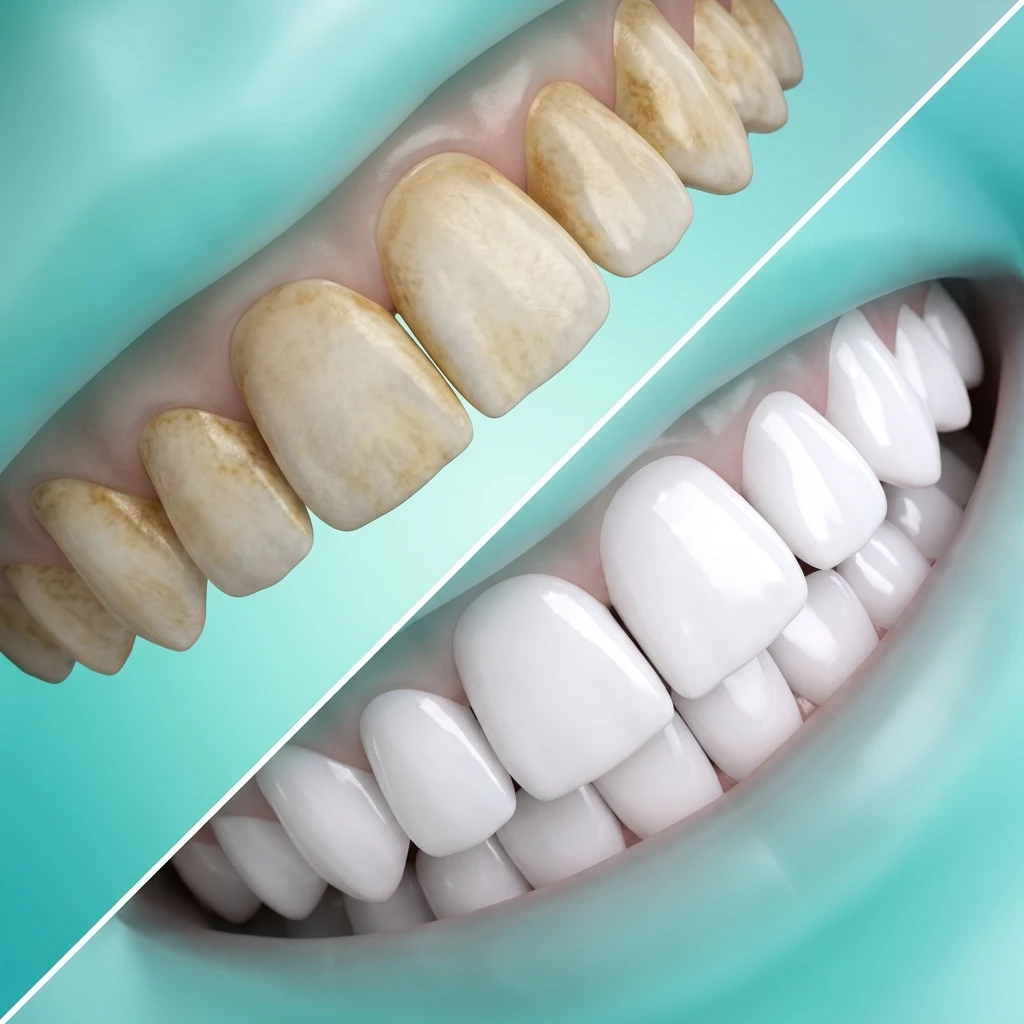
Why So Many People in India Deal With Stained Teeth
India has a deep, centuries-old culture of tea drinking. Whether it's a morning cup of chai with ginger and cardamom, afternoon masala tea, or evening green tea, millions of Indians consume tea multiple times daily. And while this tradition is wonderful — tea offers antioxidants and is a cherished social ritual — it's also one of the primary reasons Indians struggle with tooth staining more than many other populations.
Add to this our growing coffee culture, increasing consumption of cola and colored beverages, and the traditional use of turmeric in cooking and in home remedies, and you have a perfect storm of staining agents attacking teeth daily. But here's the hopeful truth: understanding why staining happens, and what prevents it, gives you real control over the color of your smile.
How Staining Works: Chromogens, Tannins, and Porous Enamel
Tooth staining isn't random. It's a predictable chemical process, and understanding it helps you protect your teeth.
Chromogens: These are pigmented molecules in foods and drinks that attach to tooth enamel. Think of them as tiny color particles. The darker the beverage or food, the more chromogens it contains. This is why red wine stains worse than white wine, and why black tea stains more than herbal tea.
Tannins: Found in tea, coffee, and red wine, tannins are plant compounds that cause color and have a puckering taste. They're notorious for staining because they stick to proteins in tooth enamel. More tannins mean more staining potential.
Enamel porosity: Not all teeth stain equally. Some people have naturally more porous enamel — think of it like the difference between a shiny ceramic tile and a porous brick. Porous enamel absorbs stains more easily. If you've noticed your teeth seem to stain faster than others, you likely have slightly more porous enamel. Age also matters: as we age, enamel naturally wears down and becomes more porous, which is why older teeth stain more readily.
Acid exposure: Most staining beverages (coffee, tea, cola, wine) are acidic. Acid softens enamel temporarily, making it more receptive to stains. Drink these beverages, and your enamel's "pores" briefly open wider, allowing chromogens to penetrate deeper. This is why the order matters: if you drink acidic coffee first and then brush immediately after, you're actually damaging your enamel. Better to rinse with water and wait before brushing.
The Biggest Culprits: What Stains Your Teeth Most
Not all beverages and foods are equally guilty. Here's the staining ranking, from worst offenders to milder options:
Black tea and coffee: These are the heavy hitters. Black tea has approximately the same staining power as coffee, with high tannin and chromogen content. Both are acidic (pH 2.7–3.0), which weakens enamel. If you drink black tea or coffee daily — especially multiple cups — expect visible staining over months unless you intervene.
Red wine and cola: Red wine contains powerful chromogens and tannins. A single glass can stain teeth noticeably after repeated exposure. Cola is similarly problematic, combining extreme acidity with dark color. Many people don't realize cola is more acidic than wine.
Turmeric: In India, turmeric is used in cooking, in milk drinks (haldi milk), and in traditional remedies. It's mildly staining on its own, but combined with other staining foods, it adds to the problem. The stain is usually yellow-orange and can accumulate over time.
Berries, beets, and soy sauce: These are culprits people often overlook. Blueberries, pomegranate juice, beets, and soy sauce all contain chromogens. A single berry smoothie won't cause permanent stains, but regular consumption does.
Green tea and herbal tea: These are milder culprits than black tea, but they still stain, especially if consumed very frequently. Green tea is far better than black tea, but it's not completely stain-free.
White tea, milk, and water: These beverages don't stain. Switching to these when possible is the simplest prevention strategy.
Does Adding Milk to Tea Actually Help?
Yes, actually. Adding milk to tea reduces staining significantly — and this isn't just folk wisdom, it's backed by research. When you add milk to tea, the proteins in milk bind to tannins, preventing them from binding to your teeth as effectively. Studies show that adding milk reduces the staining potential by roughly 30 percent.
Similarly, adding cream to coffee provides the same benefit. This is why a milky coffee stains less than black coffee. If you absolutely love strong black tea or coffee, adding milk is an evidence-based compromise that makes a real difference over time.
Daily Habits to Minimize Staining
You don't have to give up tea or coffee to keep your teeth white. These daily practices significantly reduce staining:
Use a straw: This simple habit redirects liquid past your front teeth. Drink your black tea, coffee, or cola through a straw, and you reduce contact with the most visible teeth. Reusable metal or bamboo straws are better for the environment, and they work just as well as plastic.
Rinse immediately after drinking: After finishing a cup of tea or coffee, rinse your mouth with water for 20 seconds. This removes residual chromogens and neutralizes acid, preventing it from weakening enamel further. Swallowing water and then swishing it around your mouth is effective and takes only a moment.
Don't brush immediately: Many people brush right after drinking acidic beverages — this is a mistake. The acid softens enamel, and brushing within 30 minutes can damage it. Instead, rinse with water, wait 30 minutes, then brush. If you must brush sooner, use a soft-bristled toothbrush and gentle pressure.
Drink staining beverages with meals: Saliva production increases during meals, and saliva naturally neutralizes acid and helps wash away chromogens. Drinking tea or coffee at breakfast is better than sipping it throughout the afternoon. Concentrated exposure is easier to manage than spread-out exposure.
Limit frequency and duration: Sipping black tea slowly over three hours exposes teeth to staining agents continuously. Drinking it more quickly and finishing it is slightly better. If you drink multiple cups, drink them in succession rather than spacing them out over the entire day.
Chew sugar-free gum after staining drinks: Chewing gum stimulates saliva, which helps rinse stains and neutralize acid. Gum containing xylitol provides added benefit for enamel health.
Whitening Toothpastes: Do They Actually Work?
The honest answer: whitening toothpastes provide modest results, not dramatic transformation. Most whitening toothpastes contain mild abrasives (like silica) or low-concentration bleaching agents that remove surface stains. They can lighten teeth by half a shade or so, which is visible but not dramatic.
They work best for extrinsic stains — stains on the surface of enamel from tea, coffee, or wine. They're far less effective for intrinsic stains — stains inside the tooth structure, which can result from aging, medication (like tetracycline), or internal tooth damage.
If you choose a whitening toothpaste, look for one with the ADA seal and be aware that heavy abrasives can wear enamel over time. Use them 2–3 times per week rather than daily. And remember: whitening toothpaste can't prevent staining on its own. You still need the habits mentioned above.
Professional Whitening vs. Home Remedies
Professional whitening (in-office): This is the gold standard. Dentists use high-concentration whitening gels (usually hydrogen peroxide or carbamide peroxide at 25–40 percent concentration) that are far more potent than anything available over-the-counter. A single in-office treatment takes 30–60 minutes and can lighten teeth by 2–8 shades. Results last 6–12 months depending on your habits. Cost is higher (typically Rs. 5,000–15,000 in India), but results are predictable and dramatic.
At-home whitening kits from dentists: Your dentist can provide custom trays and professional-strength gel (10–22 percent concentration) for home use. You wear the trays for 30 minutes to an hour daily for 1–2 weeks. Results are slower than in-office treatment but still significant, and cost is less (Rs. 3,000–8,000).
Over-the-counter strips and trays: These contain 3–10 percent peroxide and provide mild whitening. They're accessible and inexpensive (Rs. 500–2,000) but results are subtle and inconsistent because the trays don't fit perfectly, so gel leaks or doesn't reach all tooth surfaces evenly.
Home remedies (baking soda, charcoal, oil pulling): The evidence is weak. Baking soda can slightly polish surface stains but is too abrasive for regular use and doesn't chemically whiten teeth. Activated charcoal is similarly abrasive and may actually harm enamel. Oil pulling (swishing coconut oil) has no scientific support for whitening. Save your money and your enamel — these don't work as well as even over-the-counter whitening strips.
Foods That Naturally Help Keep Teeth White
While you're avoiding staining drinks, consider adding these to your diet:
- Dairy products (milk, yogurt, cheese): Calcium and phosphate strengthen enamel. Cheese also neutralizes acid. A small piece of cheese after a staining beverage helps.
- Crunchy fruits and vegetables (apples, carrots, celery): The mechanical action of chewing these foods helps clean tooth surfaces. They also stimulate saliva, which naturally protects teeth.
- Strawberries: While red, they contain malic acid and vitamin C, which some research suggests may gently whiten teeth. However, they're still slightly acidic, so rinse after eating them.
- Nuts: Nuts are hard and require chewing, which stimulates saliva and mechanically cleans teeth. They also contain phosphorus, which strengthens enamel.
- Water: Plain water is the best drink for your teeth. It contains no chromogens, no acids, and it rinses away food particles and stains continuously throughout the day.
When to Consider Professional Whitening
Professional whitening is worth considering if:
- You've had visible staining for months despite home efforts, and it bothers you cosmetically.
- You're about to attend a major event (wedding, important interview, reunion) and want a confidence boost.
- Over-the-counter methods haven't given you results you're happy with.
- You're willing to commit to maintenance (whitening lasts longer if you continue good habits).
- You have sensitive teeth and want professional guidance to prevent sensitivity during treatment.
Before whitening: Visit a dentist first. They'll assess whether your teeth are healthy enough for whitening, check for cavities or gum disease (which must be treated first), and discuss realistic expectations. Not all tooth discoloration can be whitened — intrinsic stains from medication, for example, respond poorly to whitening. A dentist can help you decide if it's worth pursuing.
The Bottom Line: Prevention Is Easier Than Reversal
Stains from tea, coffee, and other beverages are inevitable if you consume them regularly — but severe, permanent staining is largely preventable. The combination of smart habits (straws, rinsing, timing), strategic consumption patterns (milk in tea, less frequency), and periodic professional cleaning keeps most people's teeth beautifully white.
If staining does occur, professional whitening offers dramatic results. But the best approach is prevention: limit the frequency and concentration of staining drinks, rinse afterward, wait before brushing, and drink plenty of water. These simple practices, maintained over years, mean you can enjoy your beloved chai or coffee without sacrificing your smile.